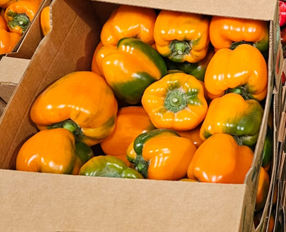
Yellow bell peppers sit on the sweetness spectrum between green and red, offering a mild, fruity sweetness that is lighter and more delicate than the red variety. Their bright, sunny colour makes them visually striking in both raw and cooked preparations. Like all bell peppers, they are completely heat-free and loved by all ages.
Health Benefits
Very high in vitamin C — one pepper can provide over 150% of the daily requirement
Rich in carotenoids including lutein and zeaxanthin — protective for eye health
Contains vitamin B6 and folate — supports nervous system and cell health
Anti-inflammatory antioxidants support overall health and immunity
Low in calories and naturally sweet — great for reducing sugar cravings
Nutrition: Calories: 27 kcal | Vitamin C: very high | Lutein: high | Carbs: 6.3g (per 100g)
Culinary Uses: Used raw in salads, platters, and wraps. Grilled or roasted as a side. Added to stir-fries, fajitas, and curries for colour and sweetness. Excellent in stuffed pepper recipes.
Citrus limon ‘Eureka’ | Commercial Lemon | Four Seasons Lemon
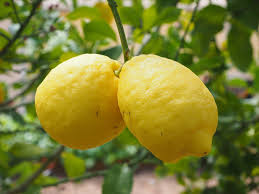
The Eureka lemon is the most widely available lemon variety, recognised for its bright yellow skin, highly aromatic zest, and abundantly juicy, tart flesh. It bears fruit nearly year-round, which is the reason for its widespread commercial popularity. The flavour is intensely citrusy, clean, and refreshing.
Health Benefits
Extremely high in vitamin C — a powerful immune booster and antioxidant
Supports alkalinity — despite being acidic, promotes an alkaline environment in the body
Aids digestion — stimulates bile production and supports the liver
Antibacterial and antiviral properties in the peel and juice
Rich in flavonoids that support cardiovascular health
Nutrition: Calories: 29 kcal | Vitamin C: very high | Fibre: 2.8g | Carbs: 9.3g (per 100g)
Culinary Uses: Used for fresh juice, lemonade, dressings, marinades, desserts, and baking. Zest adds intense aroma to dishes. Essential in cocktails and mocktails.
Capsicum annuum (G4 variety) | Green Chilli | Hari Mirch | Pachamilagai
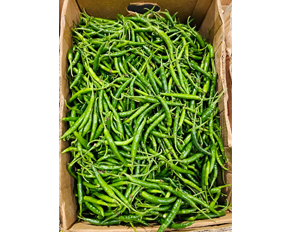
The G4 is a popular Indian variety of green chilli known for its medium-to-high heat, bright green colour, and aromatic pungency. Slender and firm, it is a daily staple across Indian households and a fundamental ingredient in curries, chutneys, and street food.
Health Benefits
Rich in vitamin C — one chilli can provide a significant portion of the daily requirement
Contains capsaicin — known for anti-inflammatory and metabolism-boosting properties
Supports immunity and has natural antibacterial properties
Culinary Uses: Used extensively in Indian cooking — in tadkas, curries, chutneys, pickles, and as a raw accompaniment. Can be stuffed and fried as mirchi bhaji.
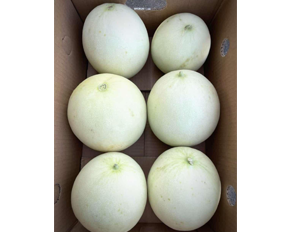
Cucumis melo var. inodorus | Honey Melon | White Antibes
Honeydew is a large, smooth-skinned melon with a pale green to creamy-white rind and sweet, pale green flesh. Known for its mild, honey-like sweetness and exceptionally high water content, it is one of the most refreshing melons available — prized in both fresh preparations and chilled desserts.
Health Benefits
Very high in water content — excellent for hydration
Good source of vitamin C and potassium
Contains B vitamins including folate — supports cell health
Culinary Uses: Served chilled as a dessert or breakfast fruit. Used in fruit salads, smoothies, cold soups, and cocktails. Pairs beautifully with mint, ginger, and lime.
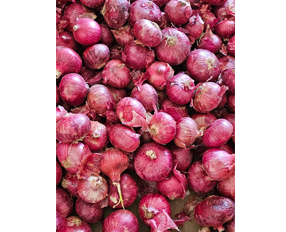
The Indian red onion is the backbone of South Asian cooking. Smaller and more pungent than Western varieties, with deep purplish-red layers and a sharp, intense flavour that mellows beautifully when cooked. Its high sugar content caramelises well, lending rich depth to curries and gravies.
Health Benefits
Rich in quercetin — a powerful antioxidant with anti-inflammatory properties
Contains allicin — supports heart health and has antibacterial properties
Good source of vitamin C and B vitamins
Prebiotic properties — feeds beneficial gut bacteria
Traditionally used to support immunity and reduce blood sugar
Culinary Uses: The foundation of virtually every Indian curry, biryani, and gravy. Eaten raw in salads and raitas, pickled, fried into crispy onions, or caramelised as a base.
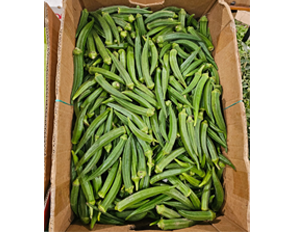
Ladies finger, widely known as okra or bhindi, is a slender, ridged green pod with a mild, grassy flavour and a uniquely silky texture when cooked. A warm-weather vegetable native to Africa and now integral to South Asian, African, and Southern American cuisines, it is as nutritious as it is delicious.
Health Benefits
Rich in mucilage — a natural soluble fibre that supports digestive health and blood sugar control
High in vitamins C and K — supports immunity and bone health
Contains folate — important for cell growth and pregnancy health
Good source of magnesium and antioxidants
The mucilage has been studied for its role in lowering cholesterol
Culinary Uses: Stir-fried as bhindi masala or bhindi do pyaza. Used in South Indian sambar and curries. Essential ingredient in gumbo. Can be sliced and fried crispy, or pickled.
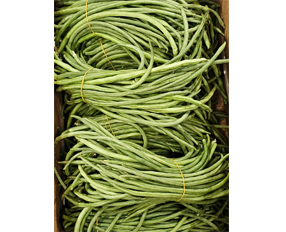
Long beans, also known as yard-long beans or snake beans, are slender, flexible pods that can grow up to 60cm in length. Crisp and mildly flavoured, they are a popular vegetable across South and Southeast Asia with a texture similar to French beans but more tender and slightly more earthy.
Health Benefits
Good source of plant-based protein and dietary fibre
Rich in folate, manganese, and vitamins A, C, and K
Supports bone health and immune function
Low in calories — ideal for light, nutritious meals
Contains antioxidants that help reduce oxidative stress
Culinary Uses: Stir-fried with garlic and soy sauce across Asian cuisines. Used in Kerala’s payar thoran (coconut stir-fry), sambar, and mixed vegetable curries. Also eaten raw in salads.
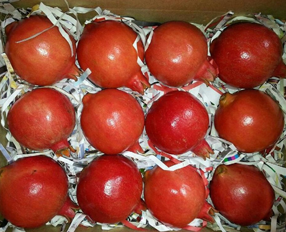
The pomegranate is an ancient, jewel-like fruit with a tough red skin encasing hundreds of ruby-red arils — seed-filled juicy sacs with a bold, sweet-tart flavour. One of the oldest cultivated fruits in human history, it holds a revered place in Ayurveda, traditional medicine, and cuisine across South Asia, the Middle East, and the Mediterranean.
Health Benefits
Exceptionally rich in punicalagins and punicic acid — among the most powerful antioxidants found in nature
Strong anti-inflammatory properties — beneficial for arthritis and heart disease
Supports cardiovascular health — reduces blood pressure and LDL oxidation
Contains vitamins C and K, folate, and potassium
Studies suggest benefits for memory, gut health, and cancer prevention
Culinary Uses: Arils eaten fresh as a snack or garnish. Juiced for pomegranate juice and molasses. Used in raitas, salads, chaats, smoothies, and cocktails. Adds colour and flavour to biryanis.
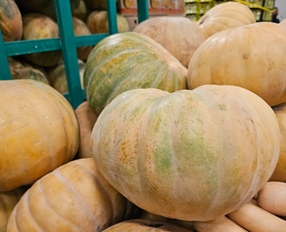
Pumpkin is a large, orange-fleshed gourd with a sweet, earthy flavour and smooth, dense texture. Celebrated across cultures — from South Asian curries to Western pies — it is both a versatile cooking ingredient and a nutritional powerhouse. The seeds are equally prized for their nutritional value.
Health Benefits
Exceptional source of beta-carotene — promotes healthy vision and immune function
Very high in vitamin A — one of the richest vegetable sources
High in fibre and antioxidants — supports heart and digestive health
Contains vitamins C, E, and B2, plus iron and potassium
Pumpkin seeds are rich in zinc, magnesium, and healthy fats
Nutrition: Calories: 26 kcal | Vitamin A: very high | Fibre: 0.5g | Carbs: 6.5g (per 100g)
Culinary Uses: Used in pumpkin curry (mathanga erissery), sambar, soups, and stews. Roasted as a side dish. Used in pumpkin pie, bread, and cakes in Western cuisine. Seeds are roasted as a snack.
Cucumis melo var. cantalupensis | Cantaloupe | Muskmelon | Kharbooja
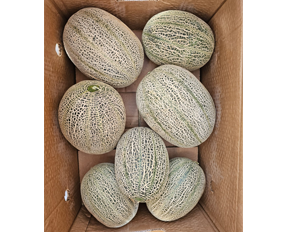
Rock melon, known as cantaloupe in North America, is a fragrant, orange-fleshed melon with a tan, netted outer rind. It has a sweet, honeyed, floral aroma and a soft, juicy texture. One of the most refreshing summer fruits, it is as delightful eaten fresh as it is in desserts and drinks.
Health Benefits
Extremely rich in beta-carotene and vitamin A — excellent for eye and skin health
High in vitamin C — boosts immunity and collagen production
Very high water content — ideal for hydration in hot weather
Contains potassium — supports heart health and blood pressure
Low in calories and naturally energising
Nutrition: Calories: 34 kcal | Vitamin A: very high | Vitamin C: high | Carbs: 8.2g (per 100g)
Culinary Uses: Best eaten fresh, chilled. Pairs well with prosciutto, mint, and lime. Used in fruit salads, smoothies, sorbets, and cold soups.
Cocos nucifera | Partially Husked Coconut | Brown Coconut
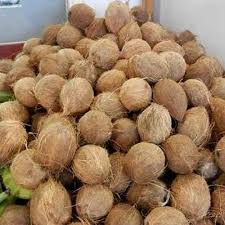
A semi-husked coconut retains a portion of its outer fibrous husk, making it easier to handle than a fully husked coconut while still being fresh and full of coconut water. The white flesh inside is mature, rich, and flavourful — used extensively in South Asian, Southeast Asian, and tropical cuisines.
Health Benefits
Coconut water is a natural electrolyte drink — rich in potassium and magnesium
The flesh provides healthy medium-chain fatty acids (MCFAs) for quick energy
Supports digestive health — fibre and lauric acid have antimicrobial properties
Good source of manganese, copper, and selenium
Traditionally used in Ayurveda for skin, hair, and digestive health
Culinary Uses: Grated fresh for chutneys, curries, and sweets. Pressed for coconut milk and cream. Coconut water drunk fresh. Used in Kerala cuisine across virtually every dish.
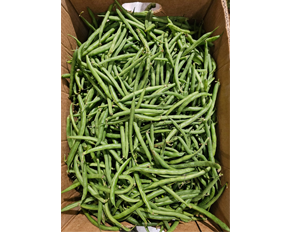
Phaseolus vulgaris | French Beans | Green Beans | Snap Beans | Fansi
Short beans, commonly known as French beans or snap beans, are slender, bright green pods with a crisp snap when fresh. Milder and more delicate than long beans, they have a clean, grassy flavour and tender texture that makes them popular across a wide range of cuisines.
Health Benefits
Good source of vitamins C and K — supports immunity and bone health
Contains folate and iron — important for blood health
High in fibre — promotes healthy digestion
Low in calories — nutrient-dense and filling
Rich in antioxidants including carotenoids and flavonoids
Culinary Uses: Steamed or blanched as a side dish. Used in stir-fries, salads, and soups. Popular in Kerala thoran (coconut stir-fry), French niçoise salad, and pasta dishes.