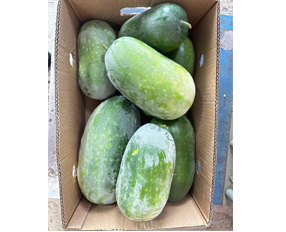
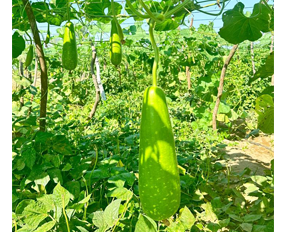
Ash gourd is a large, pale green vegetable with a distinctive waxy, powdery coating that gives it its name. Native to South and Southeast Asia, it has been treasured in traditional cooking and Ayurvedic medicine for centuries. The flesh is white, firm, and mildly sweet with a clean, neutral flavour.
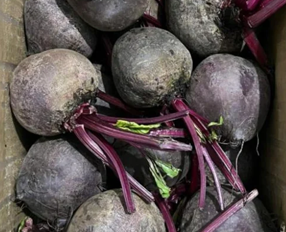
Beetroot is a deep purple-red root vegetable with an earthy, sweet flavour and a firm, dense texture. Used in both cooking and raw preparations, it is one of the most nutritionally dense vegetables available — packed with unique plant compounds, vibrant colour, and remarkable health benefits that have made it a modern superfood.
Health Benefits
Rich in nitrates — shown to improve blood flow, lower blood pressure, and enhance athletic endurance
Contains betalains — powerful pigment antioxidants unique to beetroot with anti-inflammatory properties
Supports liver detoxification — particularly effective for liver health
Good source of folate, manganese, iron, and vitamin C
Studies suggest benefits for brain health and cognitive function
Nutrition: Calories: 43 kcal | Folate: high | Nitrates: very high | Carbs: 9.6g (per 100g)
Culinary Uses: Roasted, boiled, or steamed as a side vegetable. Juiced fresh for a wellness drink. Used in salads, soups (borscht), dips (beetroot hummus), and chutneys. Pickled as an accompaniment.
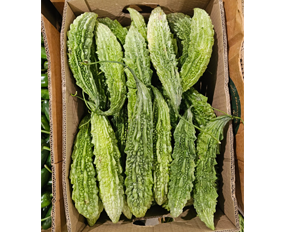
Bitter gourd, known as karela in Hindi and pavakka in Malayalam, is a knobby, dark green vegetable with an intensely bitter taste unlike any other. While its flavour demands an acquired palate, it is one of the most medicinally valued vegetables in Ayurvedic and traditional Asian medicine — a bitter pill with extraordinary health rewards.
Health Benefits
Widely studied for blood sugar control — contains charantin and polypeptide-p, insulin-like compounds
Supports liver health — stimulates bile secretion and liver enzymes
Powerful immune booster — rich in vitamin C and antioxidants
Natural blood purifier — traditionally used to treat skin conditions
Contains iron, folate, potassium, and zinc
Nutrition: Calories: 17 kcal | Vitamin C: very high | Iron: good | Carbs: 3.7g (per 100g)
Culinary Uses: Cooked as karela sabzi, stuffed with spiced fillings, or made into pavakka theeyal in Kerala cuisine. Juice is consumed raw for medicinal purposes. Used in Chinese bitter melon stir-fry.
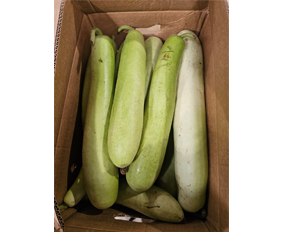
The green bottle gourd has a smooth, glossy bright-green skin and a mild, subtly sweet white flesh. One of the most widely grown vegetables across South Asia, it is celebrated for its versatility in cooking and its impressive range of health benefits.
Health Benefits
Heart friendly — low in fat and cholesterol, supports cardiovascular health
Highly hydrating — approximately 92% water content
Supports weight loss — very low in calories, high in fibre
Eases digestion — soluble fibre soothes the digestive tract
Good for liver and kidneys — traditionally used in Ayurveda for detoxification
Calming effect — known to support better sleep and a calm nervous system
Culinary Uses: Used in Kerala’s olan and coconut curries. Popular as lauki sabzi, lauki kofta, and lauki halwa in North India. Fresh juice is a popular morning wellness drink.
Lagenaria siceraria | White Lauki | Safed Dudhi | White Churakka
The white variety of bottle gourd features a pale, creamy-white to light green outer skin and the same tender, mild flesh as its green counterpart. Slightly softer in texture when young, it carries a delicate, neutral flavour that makes it highly adaptable across cuisines.
Health Benefits
Excellent source of hydration with very high water content
Low in calories — suitable for weight management
Supports healthy digestion and reduces bloating
Cooling vegetable — ideal during hot weather and summer months
Culinary Uses: Prepared similarly to green bottle gourd — in curries, dals, stir-fries, and soups. Can be juiced fresh. Used in halwa and kheer for a light, creamy dessert.
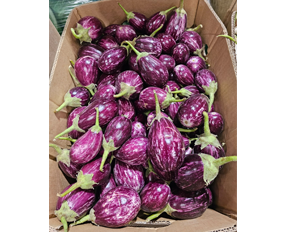
Brinjal, known as eggplant in the Americas and aubergine in Europe, is a staple vegetable across South Asian, Middle Eastern, and Mediterranean cuisines. With its deep purple, glossy skin and soft, creamy flesh, it is as striking in appearance as it is versatile in the kitchen.
Health Benefits
Rich in antioxidants — particularly nasunin, which protects brain cell membranes
Supports heart health — fibre and potassium help manage blood pressure
Good for blood sugar regulation — low glycaemic index
High in fibre — promotes fullness and healthy digestion
Culinary Uses: Used in baingan bharta, brinjal curry, moussaka, ratatouille, and baba ganoush. Can be grilled, roasted, fried, or stuffed. Absorbs flavours beautifully.
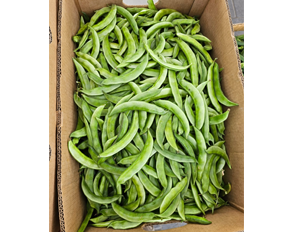
Broad beans are large, flat, bright-green legumes encased in thick, velvety pods. One of the oldest cultivated crops in the world, they have a distinctive earthy, buttery flavour and a creamy texture when cooked. Both the young beans and tender pods are edible.
Health Benefits
Excellent source of plant-based protein — ideal for vegetarian and vegan diets
Rich in folate — essential for cell growth and particularly important during pregnancy
High in fibre — supports digestive and cardiovascular health
Good source of iron, manganese, copper, and zinc
Contain L-dopa — a compound studied for neurological health benefits
Culinary Uses: Eaten boiled or steamed as a side dish. Used in ful medames (Egyptian staple), soups, pasta, risottos, and stir-fries. Young pods can be cooked whole.
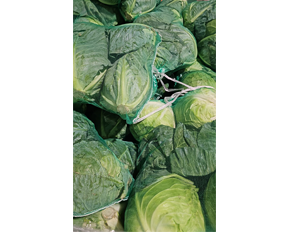
Brassica oleracea var. capitata | Patta Gobhi | Muttaikose | Kobi | Head Cabbage
Cabbage is a dense, leafy vegetable that grows in compact round or oval heads of tightly layered leaves. Available in green, white, and purple varieties, it has a mild, slightly peppery flavour when raw that becomes sweeter and more tender when cooked. One of the most widely cultivated vegetables in the world, it is a staple across South Asian, European, and East Asian cuisines.
Health Benefits
Rich in vitamin C and vitamin K — supports immunity and bone health
Contains glucosinolates — plant compounds with well-studied cancer-protective properties
Excellent source of dietary fibre — promotes digestive health and feeds beneficial gut bacteria
Very low in calories — one of the most nutrient-dense, budget-friendly vegetables available
Anti-inflammatory properties — particularly from red cabbage, which contains powerful anthocyanins
Nutrition: Calories: 25 kcal | Vitamin C: good | Vitamin K: high | Carbs: 5.8g | Fibre: 2.5g (per 100g)
Culinary Uses: Used raw in coleslaw and salads. Cooked in stir-fries, soups, stews, and curries. A key ingredient in South Indian poriyal and thoran. Used to make sauerkraut, kimchi, and pickled cabbage. Leaves can be stuffed and rolled.
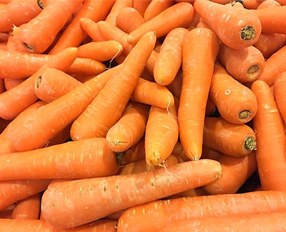
The vibrant orange carrot is one of the world’s most popular root vegetables, prized for its sweet, earthy flavour, satisfying crunch, and remarkable nutritional profile. Rich in beta-carotene, which gives it its characteristic colour, it is equally delicious raw or cooked.
Health Benefits
Exceptionally high in beta-carotene — converted to vitamin A, essential for eye health
Rich in antioxidants — supports immunity and reduces risk of chronic disease
Good for digestive health — high fibre content
Supports heart health and helps lower cholesterol
Contains vitamins K1, B6, and potassium
Nutrition: Calories: 41 kcal | Beta-carotene: very high | Fibre: 2.8g | Carbs: 9.6g (per 100g)
Culinary Uses: Eaten raw as a snack or in salads. Juiced fresh. Used in gajar ka halwa, soups, stews, stir-fries, and as a side vegetable. Great for pickling.
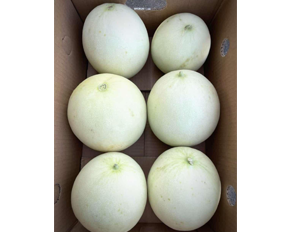
Cucumis melo var. inodorus | Honey Melon | White Antibes
Honeydew is a large, smooth-skinned melon with a pale green to creamy-white rind and sweet, pale green flesh. Known for its mild, honey-like sweetness and exceptionally high water content, it is one of the most refreshing melons available — prized in both fresh preparations and chilled desserts.
Health Benefits
Very high in water content — excellent for hydration
Good source of vitamin C and potassium
Contains B vitamins including folate — supports cell health
Culinary Uses: Served chilled as a dessert or breakfast fruit. Used in fruit salads, smoothies, cold soups, and cocktails. Pairs beautifully with mint, ginger, and lime.
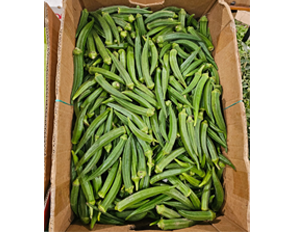
Ladies finger, widely known as okra or bhindi, is a slender, ridged green pod with a mild, grassy flavour and a uniquely silky texture when cooked. A warm-weather vegetable native to Africa and now integral to South Asian, African, and Southern American cuisines, it is as nutritious as it is delicious.
Health Benefits
Rich in mucilage — a natural soluble fibre that supports digestive health and blood sugar control
High in vitamins C and K — supports immunity and bone health
Contains folate — important for cell growth and pregnancy health
Good source of magnesium and antioxidants
The mucilage has been studied for its role in lowering cholesterol
Culinary Uses: Stir-fried as bhindi masala or bhindi do pyaza. Used in South Indian sambar and curries. Essential ingredient in gumbo. Can be sliced and fried crispy, or pickled.
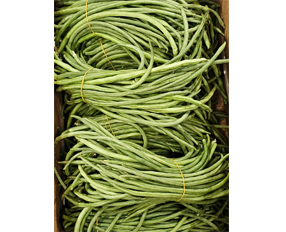
Long beans, also known as yard-long beans or snake beans, are slender, flexible pods that can grow up to 60cm in length. Crisp and mildly flavoured, they are a popular vegetable across South and Southeast Asia with a texture similar to French beans but more tender and slightly more earthy.
Health Benefits
Good source of plant-based protein and dietary fibre
Rich in folate, manganese, and vitamins A, C, and K
Supports bone health and immune function
Low in calories — ideal for light, nutritious meals
Contains antioxidants that help reduce oxidative stress
Culinary Uses: Stir-fried with garlic and soy sauce across Asian cuisines. Used in Kerala’s payar thoran (coconut stir-fry), sambar, and mixed vegetable curries. Also eaten raw in salads.