Capsicum annuum | Red Bell Pepper | Red Capsicum | Lal Shimla Mirch
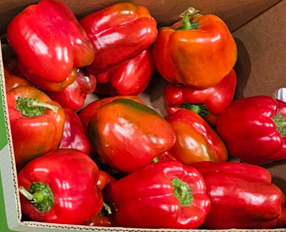
Red bell peppers are the fully ripened form of the green pepper, transformed by time on the vine into a sweeter, more vibrant, and more nutritious vegetable. With their deep red colour, thick crisp walls, and naturally sweet flavour with no heat, they are among the most nutrient-dense of all vegetables.
Health Benefits
Extraordinarily high in vitamin C — contains three times more than an orange
Richest natural source of beta-carotene among the pepper family
High in lycopene — the same antioxidant found in tomatoes
Contains vitamins B6 and folate — supports brain and heart health
Excellent source of fibre and antioxidant compounds
Nutrition: Calories: 31 kcal | Vitamin C: extremely high | Vitamin A: very high | Carbs: 6g (per 100g)
Culinary Uses: Eaten raw in salads, crudités, and wraps. Roasted, grilled, or stir-fried in curries and pasta. Used in stuffed pepper dishes, soups, and sauces. Excellent in hummus and dips.
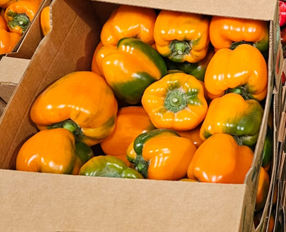
Yellow bell peppers sit on the sweetness spectrum between green and red, offering a mild, fruity sweetness that is lighter and more delicate than the red variety. Their bright, sunny colour makes them visually striking in both raw and cooked preparations. Like all bell peppers, they are completely heat-free and loved by all ages.
Health Benefits
Very high in vitamin C — one pepper can provide over 150% of the daily requirement
Rich in carotenoids including lutein and zeaxanthin — protective for eye health
Contains vitamin B6 and folate — supports nervous system and cell health
Anti-inflammatory antioxidants support overall health and immunity
Low in calories and naturally sweet — great for reducing sugar cravings
Nutrition: Calories: 27 kcal | Vitamin C: very high | Lutein: high | Carbs: 6.3g (per 100g)
Culinary Uses: Used raw in salads, platters, and wraps. Grilled or roasted as a side. Added to stir-fries, fajitas, and curries for colour and sweetness. Excellent in stuffed pepper recipes.
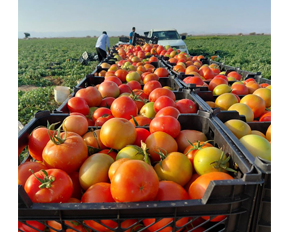
The tomato is one of the world’s most consumed and beloved vegetables (botanically a fruit), with its bright red colour, juicy flesh, and balanced sweet-acidic flavour forming the foundation of cuisines across India, Europe, and the Americas. Available in a wide range of varieties from small cherry tomatoes to large beefsteaks.
Health Benefits
Exceptional source of lycopene — a carotenoid antioxidant strongly linked to reduced cancer risk
Rich in vitamin C and vitamin K
Supports heart health — lycopene and potassium help manage blood pressure and cholesterol
Contains beta-carotene, lutein, and zeaxanthin — beneficial for eye health
Nutrition: Calories: 18 kcal | Lycopene: high | Vitamin C: good | Carbs: 3.9g (per 100g)
Culinary Uses: The base of most Indian curries, gravies, and sauces. Used in salads, chutneys, soups, pasta sauces, and rasam. Roasted, grilled, or stuffed as a side dish.
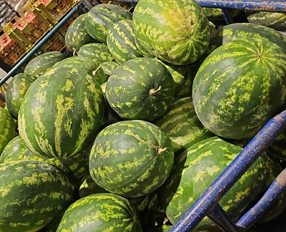
Watermelon is the ultimate summer fruit — a large, juicy melon with vibrant red or pink flesh, a crisp texture, and a sweet, refreshing flavour. With one of the highest water contents of any fruit, it is nature’s most perfect hydration food, delivering sweetness, nutrition, and cooling relief in every bite.
Health Benefits
Exceptionally high water content (92%) — the best natural fruit for hydration
Rich in lycopene — a powerful antioxidant that supports heart and prostate health
Contains citrulline — an amino acid that supports blood flow and exercise recovery
Good source of vitamins A and C
Low in calories — a naturally sweet, guilt-free treat
Nutrition: Calories: 30 kcal | Water: 92% | Lycopene: very high | Carbs: 7.6g (per 100g)
Culinary Uses: Best served chilled and fresh. Used in juices, smoothies, agua fresca, and fruit salads. Pairs well with mint, feta, and lime for a refreshing salad.